
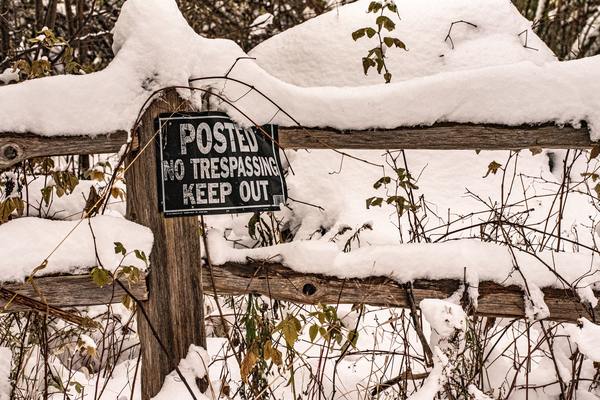
Trespassing refers to when someone enters another’s property without the owner’s permission or the legal right to be there. In some instances, trespassing may be considered a form of assault.
What is Trespassing or Committing a Trespass?
California Penal Code 602 states that every individual who commits a trespass by any of the following means is guilty of a misdemeanor.
- Destroying or stealing the owner’s personal property
- Damaging or destroying a sign
- Entering the property without permission
- Tearing down fence
- Discharging any firearm
- Driving a vehicle upon the property without permission
- Refusing to leave the property after being asked to leave
- Entering closed or restricted land
While some of these points are vague, the judge will use their discretion to determine if trespassing falls under the legal definition. In some cases, intent may not be applicable. Individuals found to have trespassed will likely receive a misdemeanor, punishable by up to 6 months in jail and a $1,000 fine.
California “No Trespassing” Sign Requirements
Some property lines are vague, so some individuals may enter land without recognizing it is private property. Some individuals may prefer extra privacy, and a “no trespassing” sign may provide more comfort. The following explains the sign laws in the state of California.
The size and frequency of the signs will depend on the property size, and if an individual decides to hang these signs, there needs to be one at their entrance. Many sheriff offices recommended that signs should not be smaller than 8.5″ x 11″. Owners should also hang them where it is reasonable to expect people to notice them. It is unlawful for people to tear down “no trespassing” signs.
California Penal Code 602 states that trespass signs “shall be displayed at intervals not less than three per mile along all exterior boundaries and at all roads and trails entering the land.”
The Trespass Charge in California
In California, there are two main trespassing charges: criminal and aggravated.
The elements of criminal trespassing are:
- The accused entered a property that did not belong to them without permission
- When the accused entered the said property, they intended to or carried out harm against the owner’s property.
The damages for being found guilty of criminal trespassing include an infraction fee of up to $100, a misdemeanor charge, a possible six months in jail, and a $1,000 fine. The exact amount will depend on the severity of the charges. Some may also have to pay the expenses for the damages they caused at the owner’s property.
Aggravated trespassing occurred if the accused does the following:
- Made a credible threat of violence
- Within 30 days of the threat, the accused entered the owner’s property with the intent to carry out their threat.
Aggravated trespassing can be either a misdemeanor or a felony. If the judge determines it is a misdemeanor, the punishment can be up to one year in jail and a fine of $2,000. If the judge determines it is a felony, the punishment can be up to three years in prison and fees. The exact amount will depend on the severity of the charges.
Misdemeanor Trespassing
Both criminal and aggravated trespassing can be misdemeanors. It is up to the judge to determine whether it is a misdemeanor or a felony, with misdemeanors being for smaller and less aggressive charges. In contrast, a felony is a higher crime that a judge may delegate for more violent crimes.
Restraining Orders and the Trespass Charge
If an individual has trespassed upon your property or has threatened to trespass and you do not feel safe, it may be possible to get a judge to issue a restraining order against them. The type of restraining order that would likely be issued, depending on the severity, is a civil harassment restraining order.
Judges can issue a civil harassment restraining order if an individual has done the following:
- Threatened to use violence or has been violent
- Has scared, harassed, or seriously annoyed an individual
Civil harassment restraining orders can prevent the restrained individual from doing any of the following:
- Contacting the person who requested the protection and other members of their household
- Coming into close proximity with them, members of their family, or roommates
- Coming into proximity of their workplace
- Owning a gun or firearm
Can One be Shot for Trespassing in California?
If someone breaks into your home, one has the legal right to shoot them. California law has what legislators and legal professionals refer to as the “Castle Doctrine,” which frees individuals from legal prosecution if they shoot someone because they broke into their property. The law derives from California Penal Code 198.5. If there is a reasonable fear of bodily harm or death, shooting someone who unlawfully enters one’s home is legal. However, if you do not believe that the intruder intends to cause bodily harm, many recommend simply firing a warning shot to get them to leave the premises.
Contact Pride Legal
If you or a loved one have been accused of trespassing or requires assistance with a trespass charger, we invite you to contact us at Pride Legal for legal counseling or any further questions. To protect your rights, hire someone who understands them.