
This page is general information only.
Is a landlord responsible for mold in a California rental?
A landlord must keep a rental unit fit to live in, with effective waterproofing and plumbing in good working order (Civil Code § 1941.1). Visible mold growth, as determined by a health officer or code enforcement officer, is one of the conditions that can make a building substandard, except minor mold on surfaces that collect moisture in normal use (Health and Safety Code § 17920.3). The duty to repair a mold condition begins once the landlord has notice of it, and it does not apply when the tenant's own violations substantially caused it (Civil Code §§ 1941.2, 1941.7). A landlord may not retaliate against a tenant for complaining (Civil Code § 1942.5).
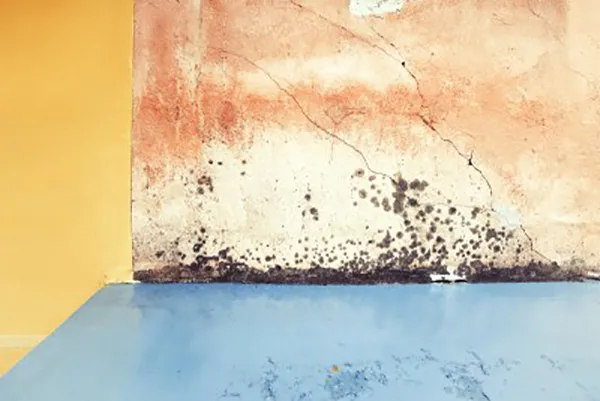
Mold grows where there is moisture: a roof leak, a plumbing leak, poor drainage. A person harmed by mold relies on the ordinary rules of landlord and tenant law, negligence, construction defect law and disclosure. This page gives the main ones.
Mold in a rental
A dwelling is untenantable if it substantially lacks effective waterproofing and weather protection of the roof and exterior walls, or plumbing in good working order, or if it is a substandard building under the housing law (Civil Code § 1941.1).
A building is substandard when a listed condition exists to an extent that endangers the life, limb, health, property, safety or welfare of the occupants or the public. Two listed conditions matter here (Health and Safety Code § 17920.3):
- Visible mold growth, as determined by a health officer or a code enforcement officer, excluding minor mold on surfaces that can accumulate moisture as part of their proper and intended use.
- Dampness of habitable rooms.
Two limits apply. The landlord’s duty to repair mold does not arise until the landlord has notice of it (Civil Code § 1941.7). And the landlord has no duty to repair a condition when the tenant has substantially failed in the tenant’s own duties, such as keeping the unit clean and using the plumbing properly, and that failure contributed substantially to the problem (Civil Code § 1941.2).
What a tenant can do
- Repair and deduct, or move out. After notice and a reasonable time, the tenant may make a repair that costs no more than one month’s rent and deduct it, or may vacate and owe no further rent. This is available twice in any 12 months (Civil Code § 1942).
- Code enforcement. If a public officer inspects and notifies the landlord in writing, and the landlord does not fix the condition within 35 days without good cause, the landlord may not demand or collect rent or serve a three-day notice. A landlord who does is liable for the tenant’s actual damages and special damages of $100 to $5,000 (Civil Code § 1942.4).
- Protection from retaliation. For 180 days after a good-faith complaint, a landlord may not evict, raise the rent or reduce services in retaliation against a tenant who is current on rent (Civil Code § 1942.5).
Disclosure
The Toxic Mold Protection Act requires residential landlords to disclose in writing mold that exceeds permissible exposure limits or poses a health threat, to prospective tenants before the lease is signed and to current tenants as soon as reasonably practical (Health and Safety Code § 26147). Sellers and landlords of commercial and industrial property have similar duties (Health and Safety Code §§ 26140, 26141). Each duty applies, by its own terms, only after the state health department adopts the exposure standards and guidelines the Act calls for. None of these sections requires anyone to test for mold.
Illness and property damage
A claim for illness or damaged belongings may be brought as a negligence claim. The person must prove that the owner, builder or other defendant was negligent, that there was harm, and that the negligence was a substantial factor in causing the harm (CACI No. 400).
If a person dies, the surviving spouse or registered domestic partner may bring a wrongful death claim (Code of Civil Procedure § 377.60).
Equal treatment in housing
It is unlawful for the owner of any housing accommodation to discriminate against or harass a person because of sex, gender, gender identity, gender expression, sexual orientation or marital status, among other grounds (Government Code § 12955). The Civil Rights Department enforces that law.
Deadlines
- Two years for personal injury (Code of Civil Procedure § 335.1).
- Two years from discovery for illness from a toxic substance, if later: the time runs from when the person knew or should have known of the injury, its physical cause, and facts pointing to another’s wrongful act (Code of Civil Procedure § 340.8).
- Three years for damage to real or personal property (Code of Civil Procedure § 338).
- 10 years from substantial completion for claims under the new-home construction defect law (Civil Code § 941).
- 35 days for a landlord to correct a cited condition before rent may not be collected (Civil Code § 1942.4).
What to do now
- Tell the landlord in writing, with the date, and keep a copy.
- Photograph the mold and the source of water, and keep damaged items if you can do so safely.
- Ask your city or county code enforcement office or health department to inspect. A written notice from an inspector starts the 35-day period.
- See a doctor about symptoms and keep the records and bills.
- Read the Attorney General’s page on landlord-tenant issues and, if you receive an eviction notice, the courts’ eviction guide for tenants.
- For discrimination or harassment by a landlord, see the Civil Rights Department’s housing page.
Related: landlord-tenant law, construction defects, personal injury, medical malpractice overview.
Pride Legal handles employment, injury, housing, consumer, civil rights and criminal matters. This page is general information only.
Common questions
What counts as a mold violation in a rental?
Visible mold growth, as determined by a health officer or a code enforcement officer, when it exists to an extent that endangers the life, limb, health, property, safety or welfare of the occupants or the public. The law excludes mold that is minor and found on surfaces that can accumulate moisture as part of their properly functioning and intended use (Health and Safety Code § 17920.3). Dampness of habitable rooms is listed separately as a substandard condition.
Do I have to tell my landlord about the mold?
Yes. The landlord's obligation to repair a mold condition does not arise until the landlord has notice of it (Civil Code § 1941.7). The California Attorney General advises tenants to make repair requests in writing and to keep copies, photographs and videos. A landlord may enter the unit to repair mold if the landlord follows the rules on entry (Civil Code §§ 1941.7, 1954).
Can I repair the problem and deduct the cost from the rent?
In limited cases. If the landlord does not repair a condition that makes the unit untenantable within a reasonable time after notice, the tenant may make the repair and deduct the cost from the rent if it is not more than one month's rent, or may move out and owe no further rent. The remedy may be used no more than twice in any 12-month period, and a tenant who waits 30 days after notice is presumed to have waited a reasonable time (Civil Code § 1942). It is not available if the tenant's own violation of a tenant's duties caused the condition.
Can my landlord evict me or raise the rent because I complained?
Not in retaliation. If the tenant is not behind on rent, the landlord may not recover possession, force the tenant out, raise the rent or cut services within 180 days after the tenant complained in good faith to the landlord or to an agency about the condition of the unit, or after an inspection or citation that resulted (Civil Code § 1942.5).
Does a landlord have to disclose mold?
The Toxic Mold Protection Act requires a residential landlord to give written disclosure to prospective and current tenants when the landlord knows, or has reasonable cause to believe, that mold is present that exceeds permissible exposure limits or poses a health threat under state guidelines (Health and Safety Code § 26147). By its own terms that duty applies only after the state health department adopts those standards and guidelines. The landlord is not required to test for mold.
How long do I have to sue over mold?
For personal injury, two years (Code of Civil Procedure § 335.1). For illness from exposure to a toxic substance, the time runs to the later of two years from the injury or two years from when you knew or should have known of the injury, its physical cause, and facts suggesting someone's wrongful act caused it (Code of Civil Procedure § 340.8). For damage to real or personal property, three years (Code of Civil Procedure § 338).
What if the mold comes from a defect in a newly built home?
California's law on residential construction defects sets standards for new homes, including standards on water intrusion, and applies to new residential units whose purchase agreement was signed on or after January 1, 2003 (Civil Code §§ 896, 938). No action under that law may be brought more than 10 years after substantial completion (Civil Code § 941).