
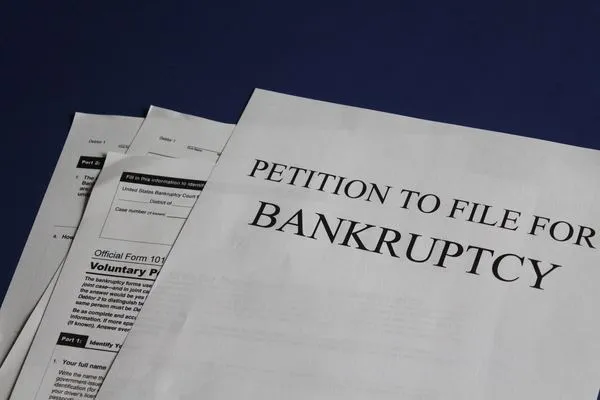
This page is general information only.
How does bankruptcy work in California?
Bankruptcy is a federal court case under title 11 of the United States Code, and California law decides which property a person keeps. Filing the petition stops most collection at once (11 U.S.C. § 362). In Chapter 7 a trustee sells property that is not exempt and the court discharges most remaining debts (11 U.S.C. §§ 704, 727). In Chapter 13 a person with regular income pays under a court-approved plan of no more than five years and receives a discharge at the end (11 U.S.C. §§ 1322, 1328). Credit counseling from an approved agency is required within the 180 days before filing (11 U.S.C. § 109(h)).
Bankruptcy is a federal court case about debts a person cannot pay. The rules are in title 11 of the United States Code. California law decides which property a filer keeps and who owns what in a marriage or a registered domestic partnership.
The two chapters most people use
Chapter 7. A trustee collects the property that is not exempt and turns it into money for creditors (11 U.S.C. § 704). The court then grants a discharge, an order that ends personal liability for most debts (11 U.S.C. §§ 524, 727). An income test applies. At or below the California median income for the household’s size, no one may ask the court to presume the filing is an abuse. Above it, a formula compares income with allowed expenses, and the court may dismiss the case or, with the filer’s consent, convert it to Chapter 13 (11 U.S.C. § 707(b)).
Chapter 13. A person with regular income, and debts under the limits in the statute, proposes a repayment plan (11 U.S.C. § 109(e)). A plan may not run longer than five years. Below the state median income it is limited to three years unless the court approves a longer one for cause (11 U.S.C. § 1322(d)). The discharge comes after all plan payments are made (11 U.S.C. § 1328).
What filing does
Filing the petition creates an automatic stay. It stops lawsuits, the enforcement of judgments, liens, and any act to collect a debt that arose before the filing (11 U.S.C. § 362(a)). It does not stop criminal cases, proceedings on child custody or support, or the collection of support from property outside the bankruptcy estate (11 U.S.C. § 362(b)).
Requirements and time limits
- Credit counseling before filing. A person must receive a briefing from an approved nonprofit credit counseling agency within the 180 days before the petition is filed (11 U.S.C. § 109(h)).
- A second course after filing. The court denies the discharge to a filer who does not complete a course in personal financial management (11 U.S.C. § 727(a)(11)).
- Eight years between Chapter 7 discharges. No Chapter 7 discharge is granted to a person who received one in a case filed within the previous eight years (11 U.S.C. § 727(a)(8)).
- Filing fee. The court may waive the Chapter 7 filing fee for a person whose income is below 150 percent of the poverty line and who cannot pay in installments (28 U.S.C. § 1930(f)).
Debts that remain
A Chapter 7 discharge does not cover every debt. Among the exceptions in 11 U.S.C. § 523(a):
- certain taxes;
- domestic support obligations, meaning child support and spousal support;
- debts owed to a spouse, former spouse or child under a divorce or separation order;
- student loans, unless repayment would impose an undue hardship on the debtor and the debtor’s dependents;
- debts for death or personal injury caused by driving while intoxicated.
Property you keep
A filer keeps exempt property. California has opted out of the federal exemption list (Code of Civil Procedure § 703.130), so a California filer picks one of two state sets: the regular exemptions, including the homestead exemption, or the alternative exemptions in Code of Civil Procedure § 703.140(b). Spouses who file together must choose the same set.
The homestead exemption’s base amount is the county’s median sale price for a single-family home, no less than $300,000 and no more than $600,000, adjusted each year for inflation (Code of Civil Procedure § 704.730).
California’s exemptions apply only to a person who has lived in the state for the 730 days before filing. After a shorter stay, the law of the earlier state applies (11 U.S.C. § 522(b)(3)).
Spouses and registered domestic partners
Married couples. Spouses may file one joint case (11 U.S.C. § 302). For every federal purpose, a person is married if the marriage is between two individuals and was valid in the state where it was entered into (1 U.S.C. § 7).
Community property. In California, property acquired during marriage is community property (Family Code § 760), and the community estate is liable for a debt incurred by either spouse before or during marriage (Family Code § 910). When one spouse files alone, the bankruptcy estate still includes the community property of both spouses that the filer manages or that is liable for the filer’s debts (11 U.S.C. § 541(a)(2)). The income test counts both spouses’ income (11 U.S.C. § 707(b)(7)).
Registered domestic partners. California gives registered domestic partners the same rights and obligations as spouses, including for property and debts (Family Code § 297.5). The Bankruptcy Code’s joint-case and community-property sections use the word “spouse”, and the federal definition of marriage does not mention domestic partnerships (11 U.S.C. §§ 302, 541; 1 U.S.C. § 7).
What to do now
- List every debt and every asset, and gather account statements, recent tax returns and pay stubs.
- Read the U.S. Trustee Program’s bankruptcy information sheet.
- Find an approved credit counseling agency on the U.S. Trustee Program’s list of approved agencies.
- Check the income figures. The U.S. Trustee Program posts the median income tables and expense standards on its means testing page.
- If you have been sued over a debt, the California courts’ debt lawsuit guide explains your options.
Related: consumer protection, domestic partnership, business law.
Pride Legal handles employment, injury, housing, consumer, civil rights and criminal matters. This page is general information only.
Common questions
What is the difference between Chapter 7 and Chapter 13?
In Chapter 7 a trustee collects the property that is not exempt, turns it into money for creditors, and the court discharges most remaining debts (11 U.S.C. §§ 704, 727). In Chapter 13 a person with regular income keeps the property and pays creditors under a plan the court approves. A plan may not run longer than five years, and below the state median income it is limited to three years unless the court approves a longer one for cause (11 U.S.C. § 1322(d)).
Does filing stop collection calls, lawsuits and wage garnishment?
Yes, for most debts. The petition operates as a stay of lawsuits, enforcement of judgments, liens and any act to collect a debt that arose before the filing (11 U.S.C. § 362(a)). The stay does not stop criminal cases, child custody or support proceedings, or collection of support from property outside the bankruptcy estate (11 U.S.C. § 362(b)).
Which debts are not wiped out?
A Chapter 7 discharge does not cover certain taxes, child support and spousal support, debts owed to a spouse or former spouse under a divorce or separation order, or debts for death or injury caused by driving while intoxicated. Student loans are excepted unless repaying them would impose an undue hardship (11 U.S.C. § 523(a)).
What property can I keep?
Exempt property. California does not allow the federal exemption list (Code of Civil Procedure § 703.130). A California filer chooses between two state sets: the regular exemptions, which include the homestead exemption, or the alternative set in Code of Civil Procedure § 703.140(b). California's exemptions apply only if you have lived in the state for the 730 days before filing (11 U.S.C. § 522(b)(3)).
Can a same-sex married couple file one case together?
Yes. A joint case is filed by a person and that person's spouse (11 U.S.C. § 302). Under federal law a person is married if the marriage is between two individuals and was valid in the state where it was entered into (1 U.S.C. § 7).
Can registered domestic partners file a joint case?
The joint-case statute speaks only of a debtor and the debtor's spouse (11 U.S.C. § 302), and the federal definition of marriage does not mention domestic partnerships (1 U.S.C. § 7). Under California law, registered domestic partners have the same rights and obligations as spouses, including for property and debts (Family Code § 297.5).
How soon can a person receive a second Chapter 7 discharge?
The court will not grant a Chapter 7 discharge to a person who received one in a case filed within the eight years before the new petition (11 U.S.C. § 727(a)(8)).
Can I lose my job for filing?
A private employer may not fire or discriminate against an employee solely because the employee filed bankruptcy, and a government agency may not deny or revoke a license or refuse employment solely for that reason (11 U.S.C. § 525).