
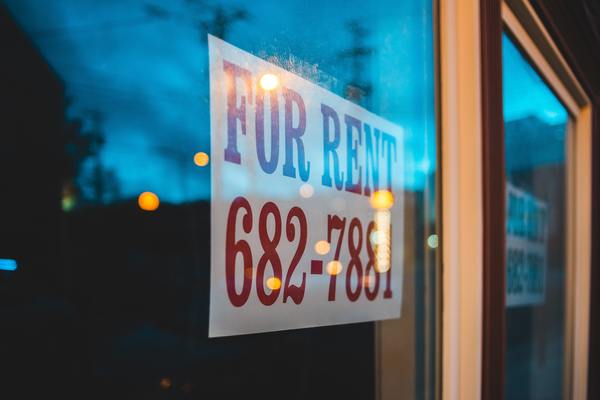
In California, there are a series of laws governing tenant eviction set in place to protect tenants. Different situations necessitate different procedures. It is essential to be aware of these rights to prevent a landlord from taking advantage of the tenant.
Can One be Evicted During the Pandemic?
Because of the COVID-19 pandemic, tenants may have further protections from eviction. The California legislature has enacted several laws to amend standing tenant residency laws temporarily. This is to protect residential and commercial tenants. The law stipulates that those who received an eviction notice due to financial trouble resulting from the pandemic have received protections between March 1, 2020, through September 30, 2021. The eviction must cite a just cause, which is explained later in this article.
As of October 1, 2021, a landlord can evict a tenant for any legal reason.
In addition, starting October 1, 2021, landlords must apply for rental assistance before attempting to evict a tenant. This process must go through the courts and be concerning missed rental payments between March 1, 2020, and March 31, 2022. Finally, it only affects a tenancy that began before October 1, 2021.
As of November 1, 2021, your landlord is legally allowed to sue tenants for the unpaid rent that they owe. To stay at one’s residence, it is in their interest to catch up on any missed rent payments.
Just Cause Evictions
A just cause eviction is an eviction that is allowed under the law. It is a valid reason for terminating one’s contract of tenancy. Essentially, this rule attempts to ensure that a landlord may not unfairly evict a tenant.
The tenant may be eligible for eviction if they have done any of the following laid out in California Civil Code section 1946.2:
- Not paying rent after receiving a notice to do so
- Violating the rental lease contract
- Staying on the premises despite not having a lease
- Staying on the premises when the lease has expired
- Causing damage or violating the property
- Interfering with the safety of the landlord or other residents
- Landlord desires to remove the unit from the rental market
For the landlord to evict a tenant, they must file an unlawful detainer lawsuit. The tenant is guaranteed a right to a court hearing if there is reason to believe the landlord did not have the standing to evict the tenant. The landlord must use court procedures in the eviction process and cannot remove or lock out the tenant in the meantime.
Now, eviction is different than terminating a tenancy. Landlords typically evict tenants if they believe they have somehow violated the contract or committed wrongdoing. A landlord has the legal right to terminate a month-to-month tenancy by issuing an advance written notice of 30 or 60 days. This is considered enough time for a tenant to find a new place to rent.
If the tenant has done any of the following, the landlord can terminate the contract and give the tenant three days advance written notice:
- Failed to pay rent
- Violated the lease agreement
- Damaged the property
- Abused or assaulted a fellow tenant on the premises
- Illegal possession or use of firearms and weapons
- Had illegal possession of illicit or prescription drugs
- Caused considerable nuisance to fellow tenants
Suppose one has not engaged in any of the above, and the landlord is attempting only to give the tenant three-day advance written notice for a tenancy termination. In that case, it is likely an illegal termination.
If the property is any of the following, it is exempt from just cause provisions:
- Housing for a nonprofit hospital
- Religious space
- Residential care facility for the elderly
- Transient hotel occupancy
- Resident halls for higher education institutions or a K-12 school
- The owner lives at the property
- Construction with a certificate of occupancy within the past 15 years
Commercial Tenant Eviction
A commercial tenant is considered one who rents the property for business or commercial reasons. The landlord should plainly state this fact within the contract. It is common for commercial tenants to receive less protection. This is because the business operating in the rented space should generate funds for the monthly rent. The landlord is usually in charge of certain repairs for the building. The tenants own the business but not the property, so the landlord is absolved of responsibility if the business is unsuccessful.
Similar to residential tenants, a landlord can also evict commercial tenants. Eviction can be particularly devastating for commercial tenants because it can impact their business.
The following are legitimate reasons for a landlord to evict a commercial tenant:
- Failed to pay rent
- Violated the lease agreement
- Damaged the property
- Used the property for illegal activity
- Interfering with the safety of the landlord, other tenants, or customer
Landlords of commercial properties need to give notice of eviction between 3 and 10 days, dependent upon the contract between landlord and tenant.
No-Fault Eviction
No-fault eviction is when the causes of eviction are not because of the renter’s actions but because of the landlord or owner’s will. This is different than at-fault evictions, where the cause of eviction stems from the non-permissible actions taken by the renter. No-fault evictions can be incredibly frustrating for tenants. An example of a no-fault eviction may be a landlord who does not justify any reasoning when refusing to renew a tenant’s lease.
Instances of no-fault just causes for eviction include the following:
- The owner/landlord intends for themself or a relative to take over the space
- Taking the property off the rental market
- The landlord wants to demolish the property
- The landlord wants to remodel the property
- The landlord follows a court order or local ordinance that necessitates the tenant vacate the property
The landlord may be looking to sell the property in some situations, which would not be a just cause for eviction. Some landlords will give their tenants quite an advance and ask if they are interested in buying the property to streamline the selling process.
Contact Pride Legal
If you or a loved one has been involved in an eviction or tenancy dispute, we invite you to contact us at Pride Legal for legal counseling or any further questions. To protect your rights, hire someone who understands them.